The new tabless batteries from Festool

TechTalk: The new tabless batteries from Festool


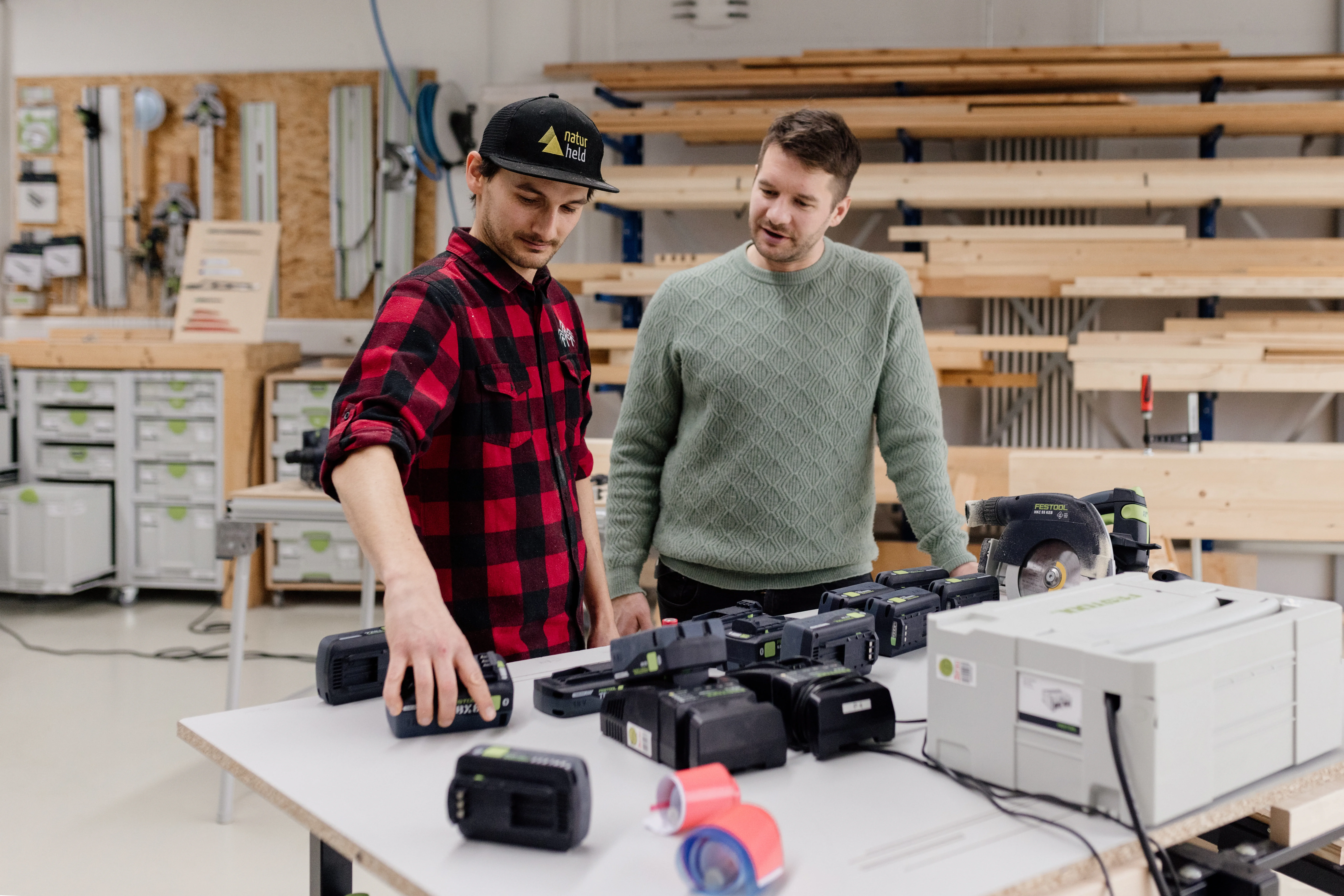
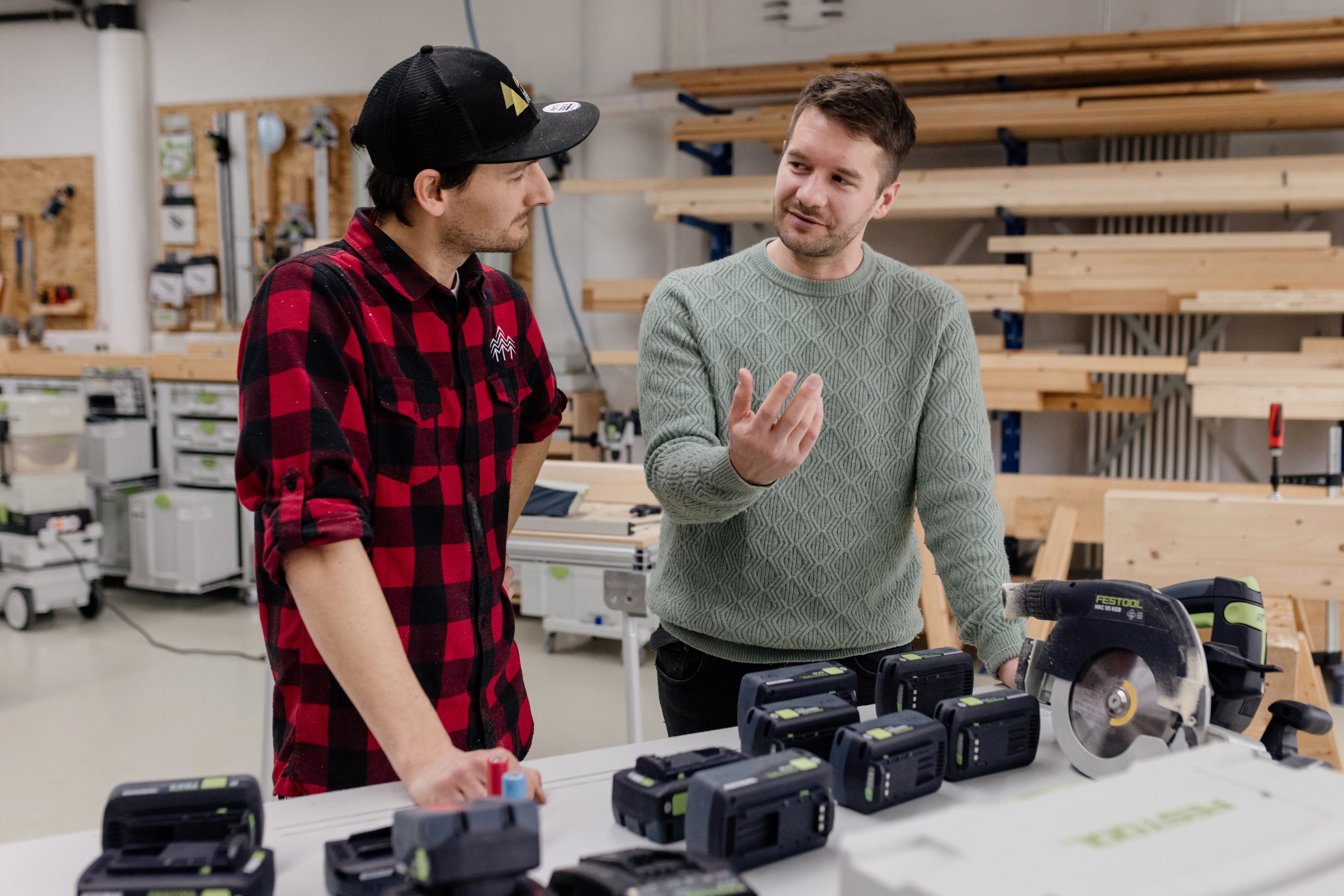
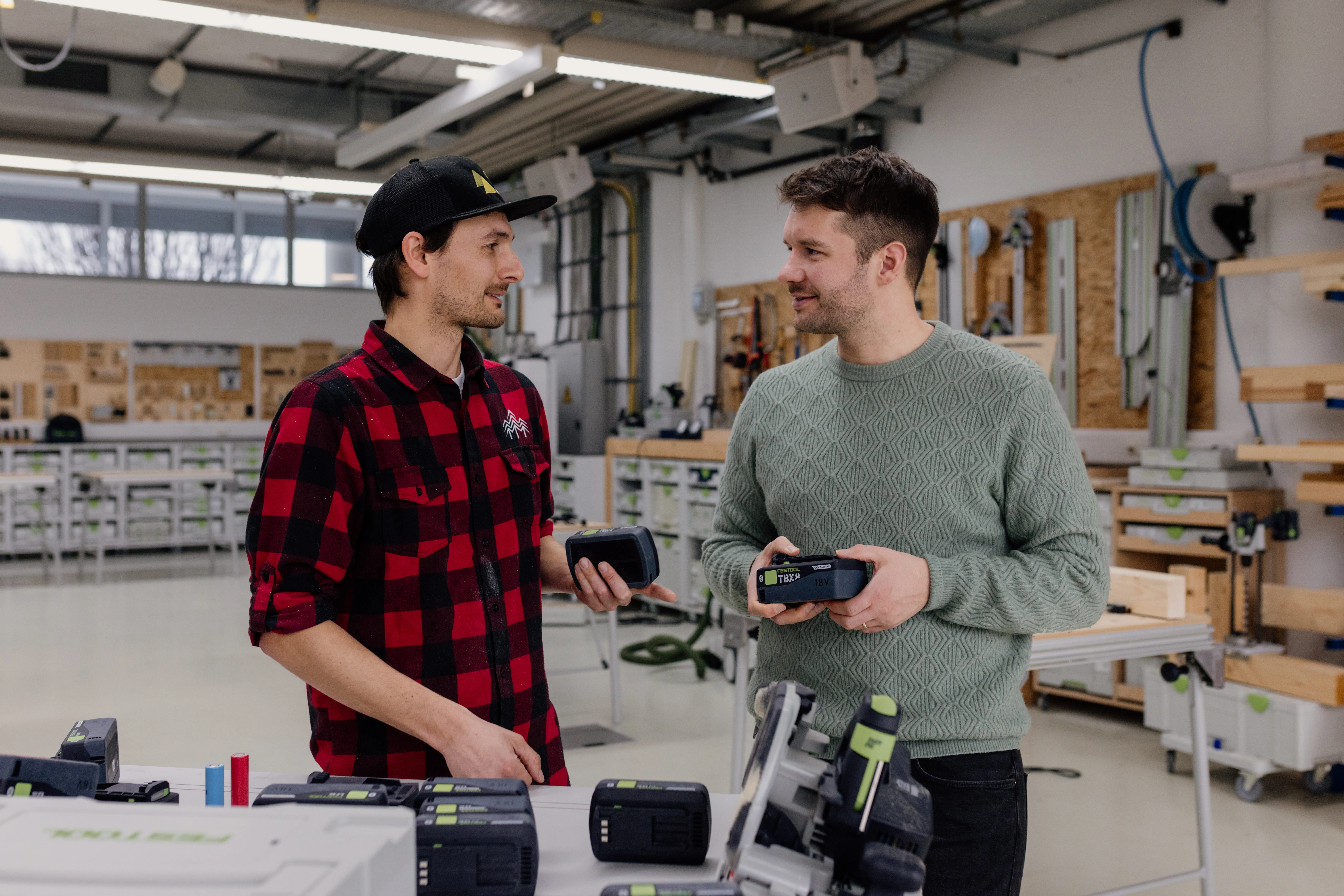
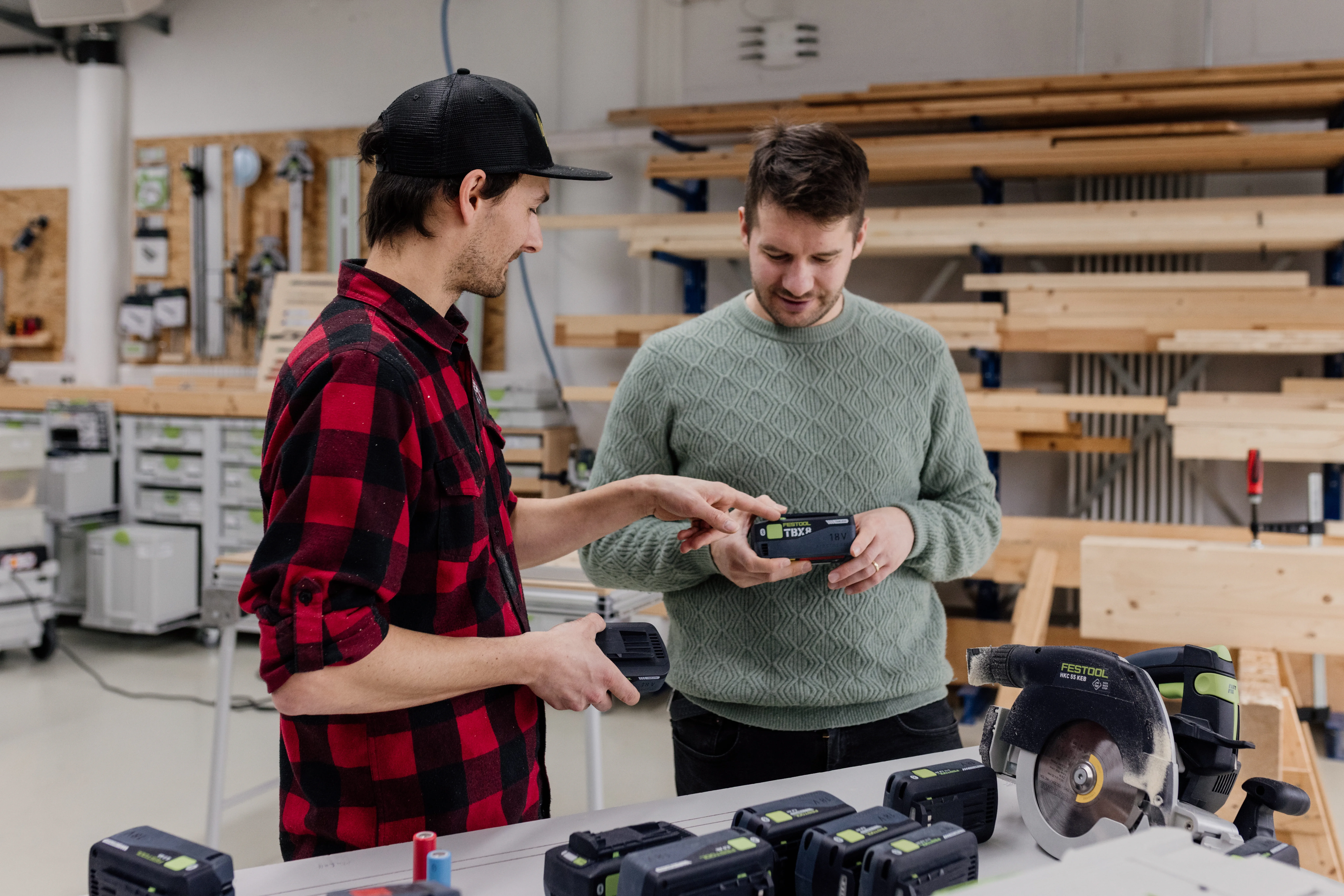
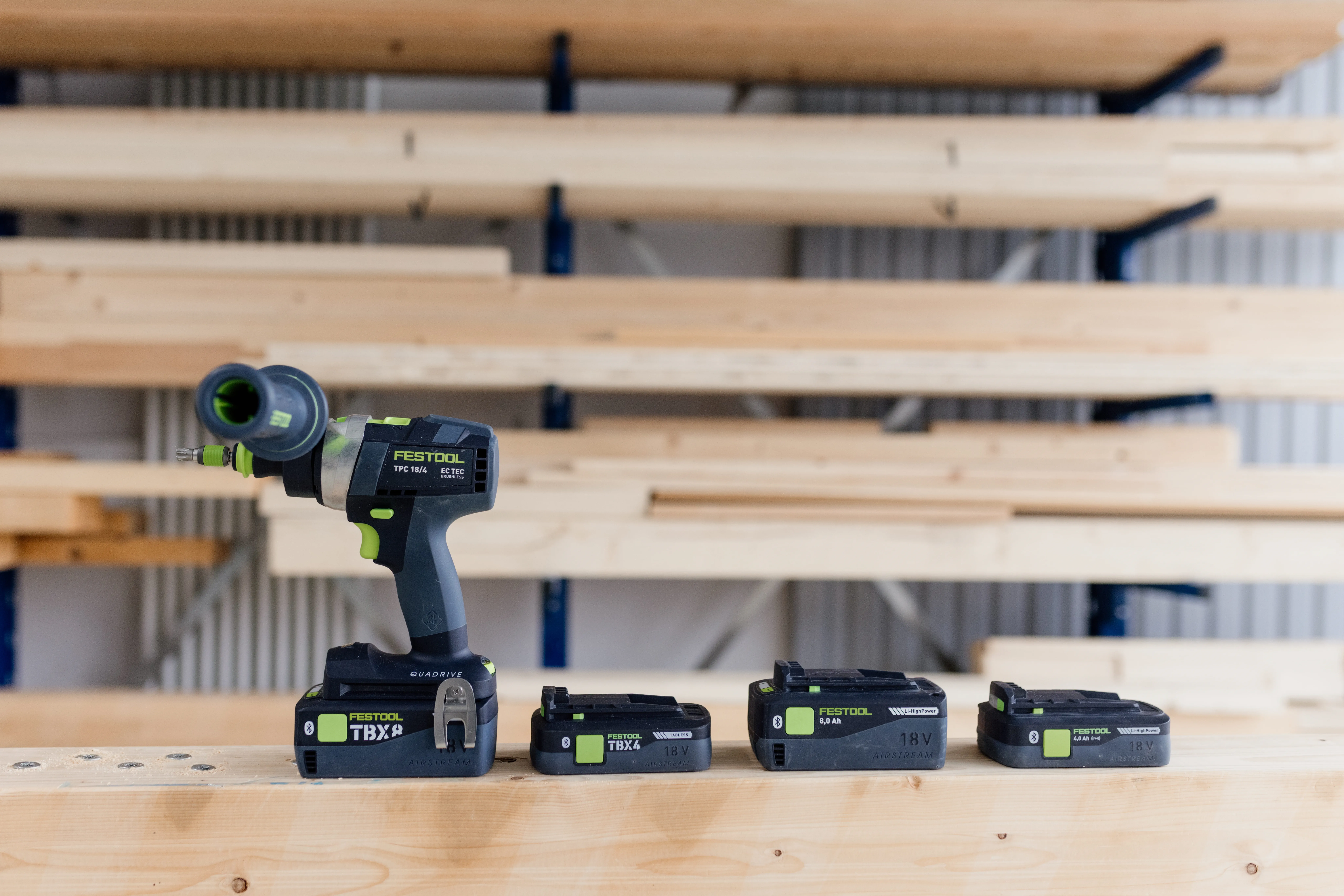
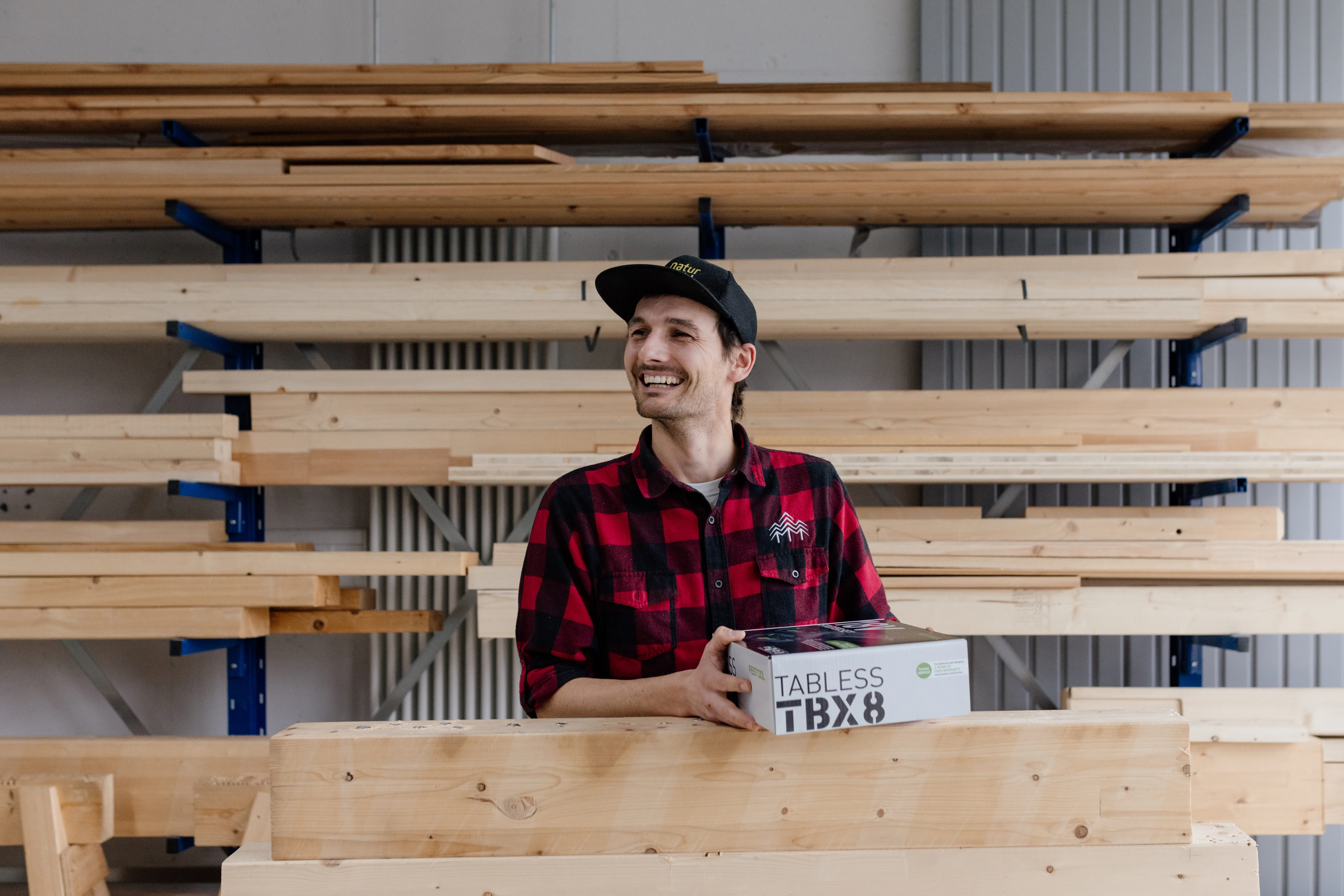
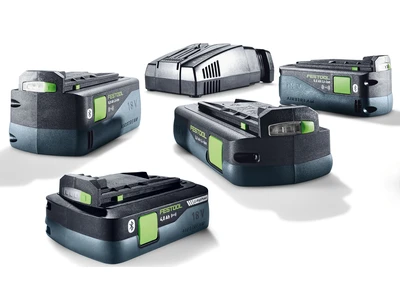
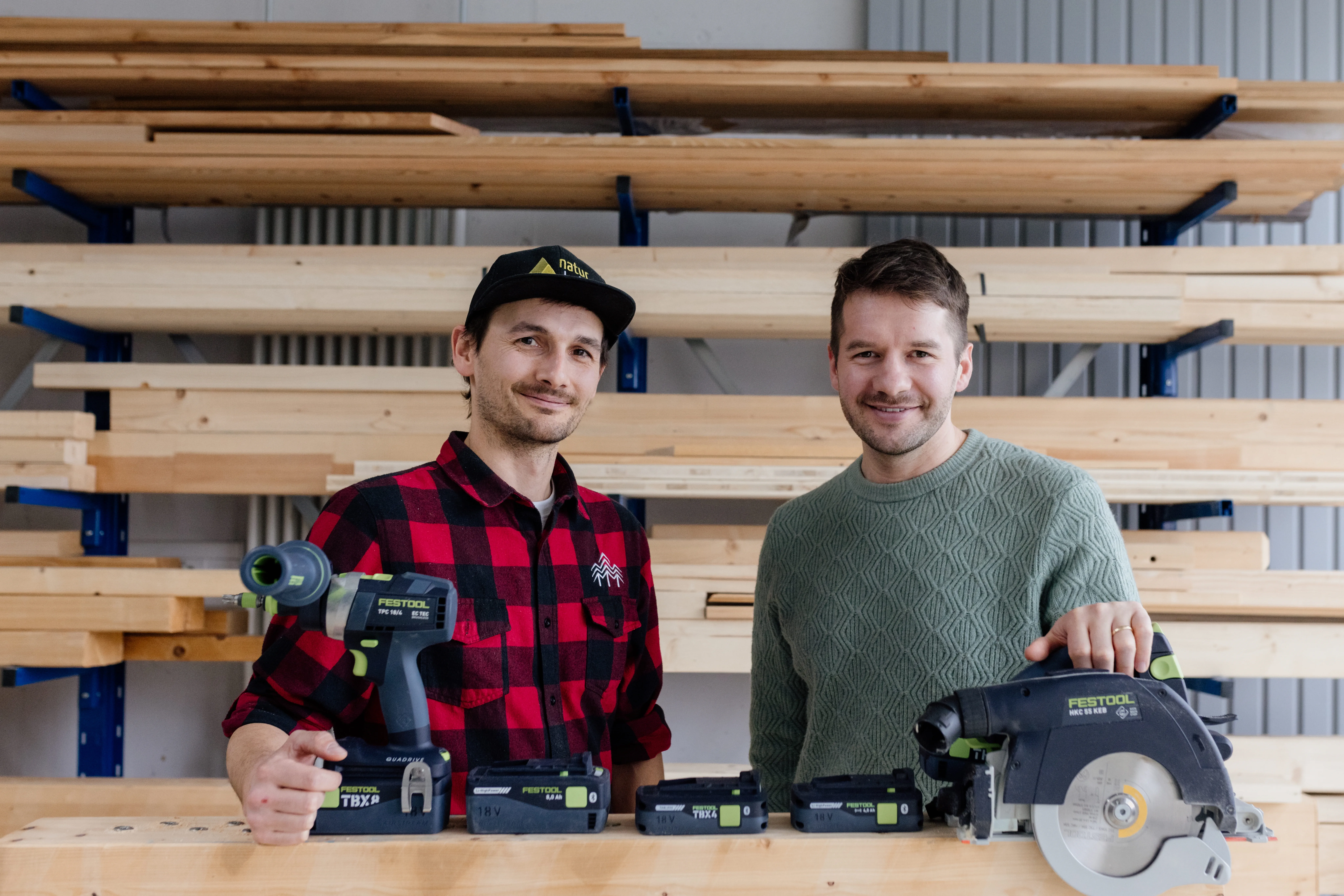
The new Festool TBX 4 and TBX 8 battery packs feature tabless technology that delivers more power and longer runtime with the same battery capacity. And charging times? Those are significantly shorter as well. Festool battery cell expert Dr. Philip Daubinger and master carpenter Alexander Henzler of Holzbau Henzler discuss what makes tabless technology different and how it performs in real-world applications. Alex also tested the new TBX 4 and TBX 8 tabless batteries across multiple tools, with impressive results.

Philip, from a developer’s perspective, what’s the technical difference between a standard lithium-ion cell and a tabless cell?
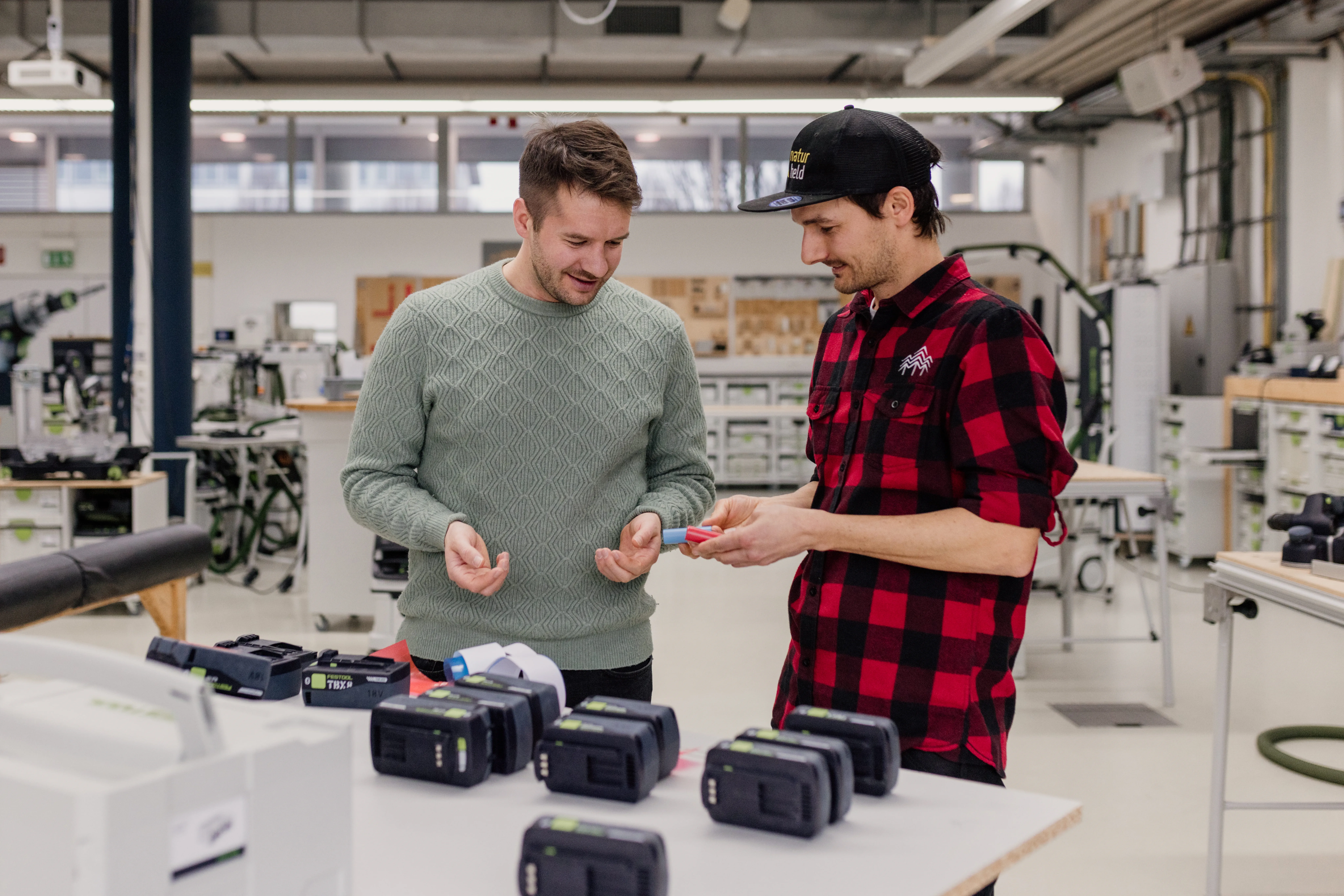
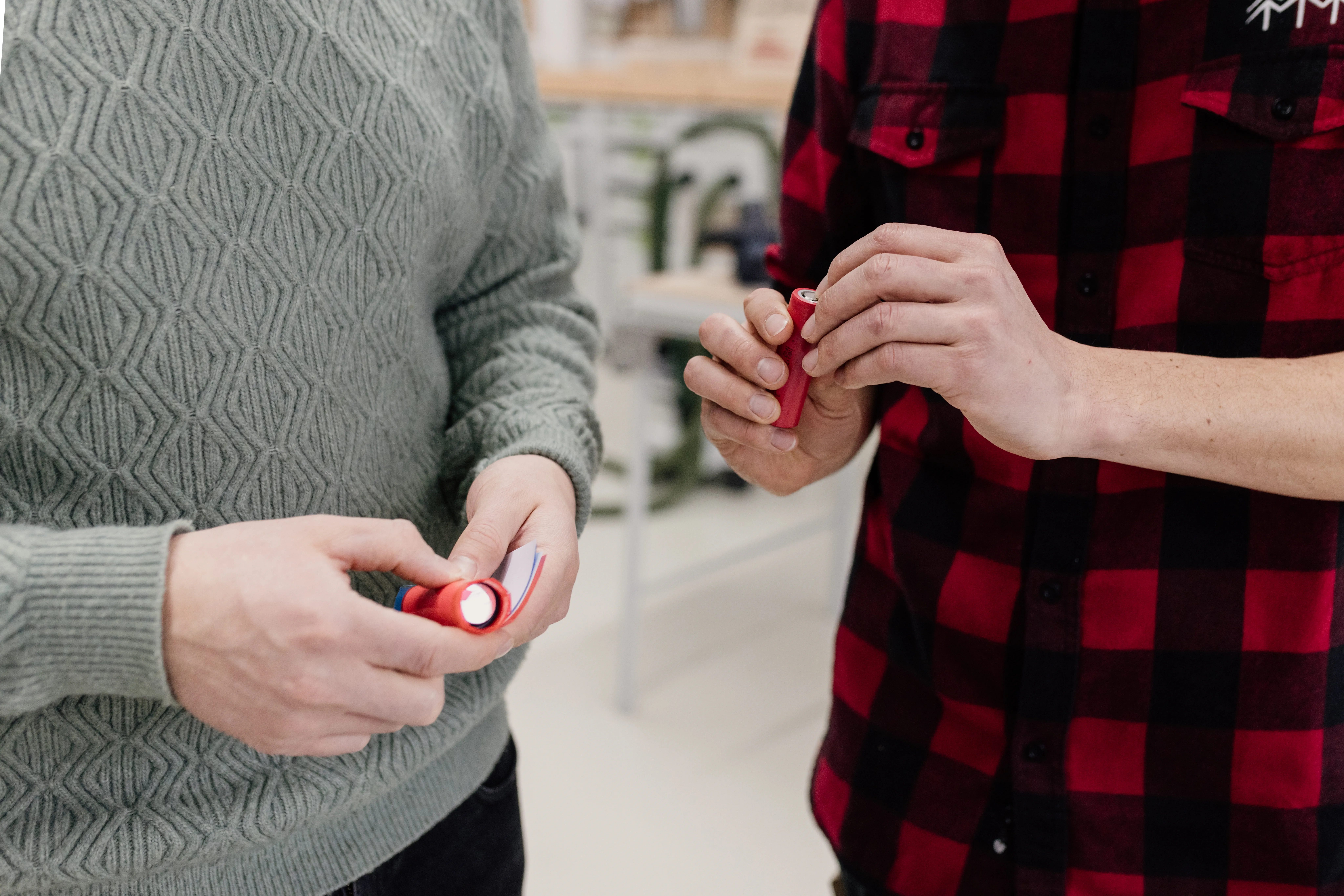
Philip: Externally, both cell types look the same. They have the same size, shape, and outer casing. The difference is inside. A modified internal structure significantly reduces electrical resistance, generating less heat with greater efficiency.

How does tabless technology work?

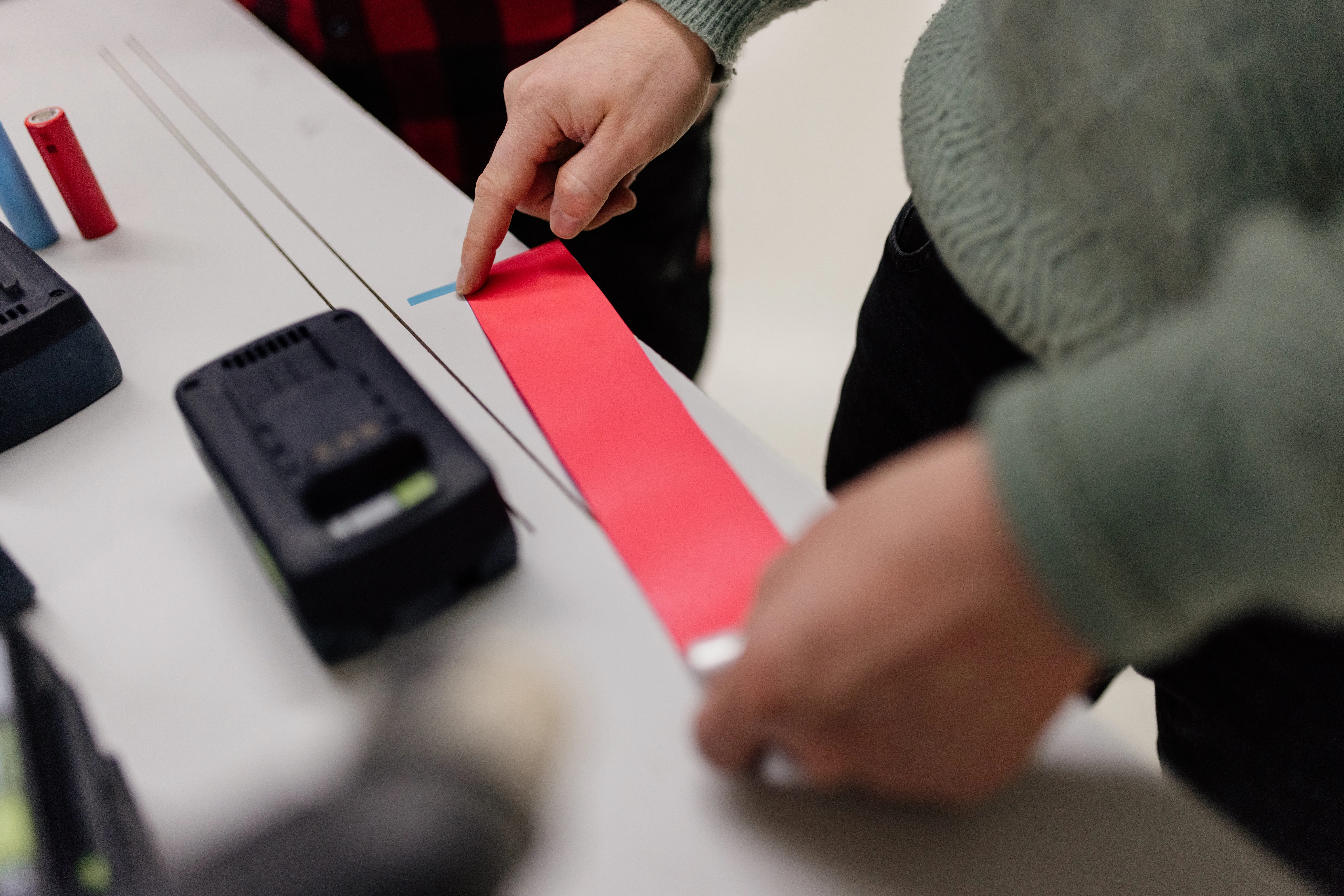
Philip: In a tabless cell, the electrode connects to the current collector along its entire length. Rather than current flowing through only a few tabs, it flows across the entire surface of the electrode. This action reduces resistance, improves heat distribution, and allows higher current flow with less stress on the cell.

What are the advantages for the user?

Philip: The most important benefits are what users experience on the jobsite: more power for demanding applications like drilling, sawing, or grinding, along with better performance in both hot and cold conditions. There’s also a significantly longer runtime with the same capacity. Charging is much faster due to lower internal resistance. Also, reduced heat generation makes the battery safer and extends its overall life. Altogether, it represents a substantial improvement.

"Externally, both cell types look the same - they have the same size, shape and envelope. The difference lies on the inside."

— Dr. Philip Daubinger, Festool battery technology expert
Does tabless technology also improve battery lifespan?
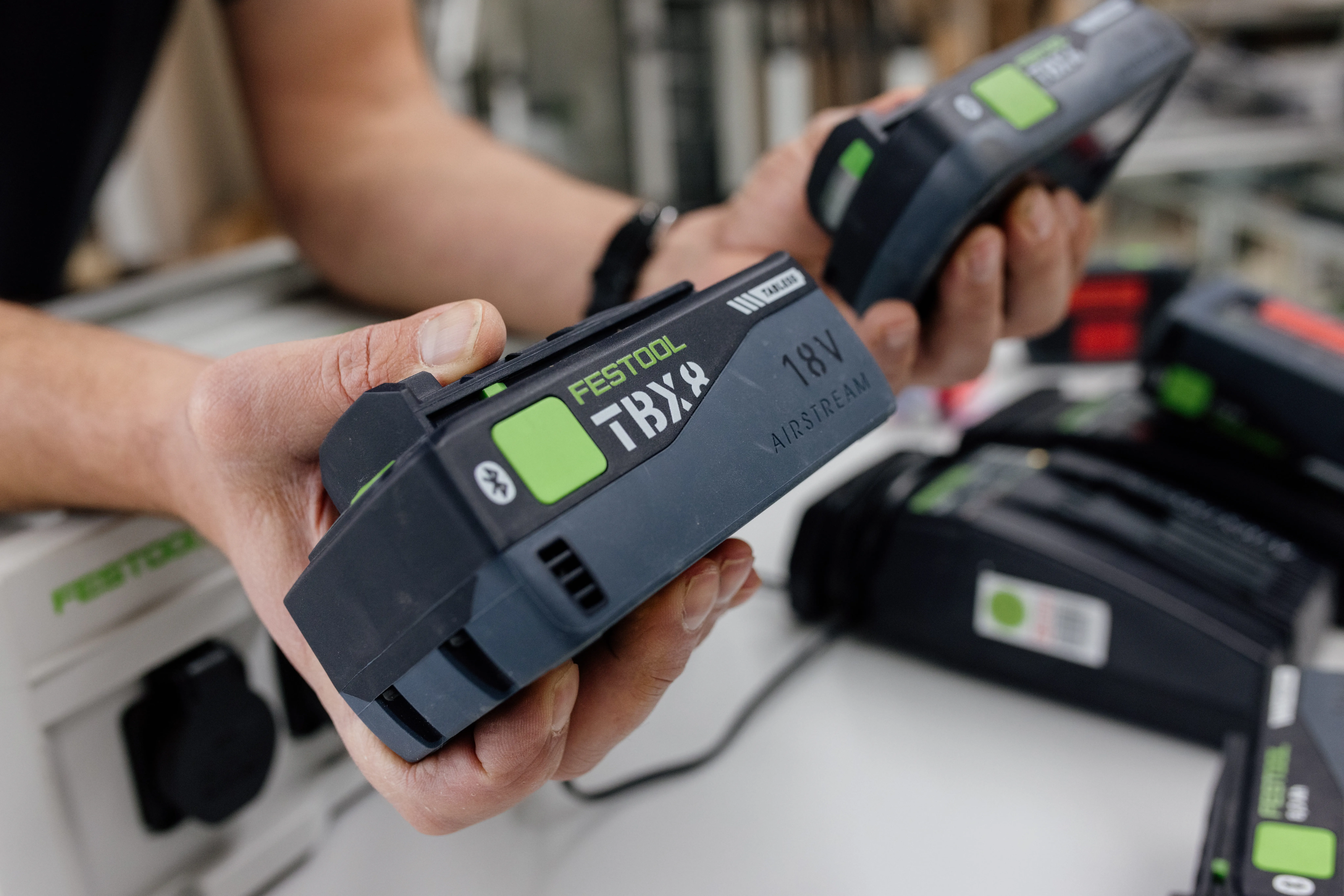
Philip: Yes, absolutely. More even current distribution and reduced heat buildup help protect the cells, which significantly extends battery life.

Do the new tabless batteries weigh the same as conventional Festool batteries?

Philip: Yes, they weigh the same as conventional battery packs.

Does tabless technology provide noticeable benefits across all cordless tools, or only in certain applications?
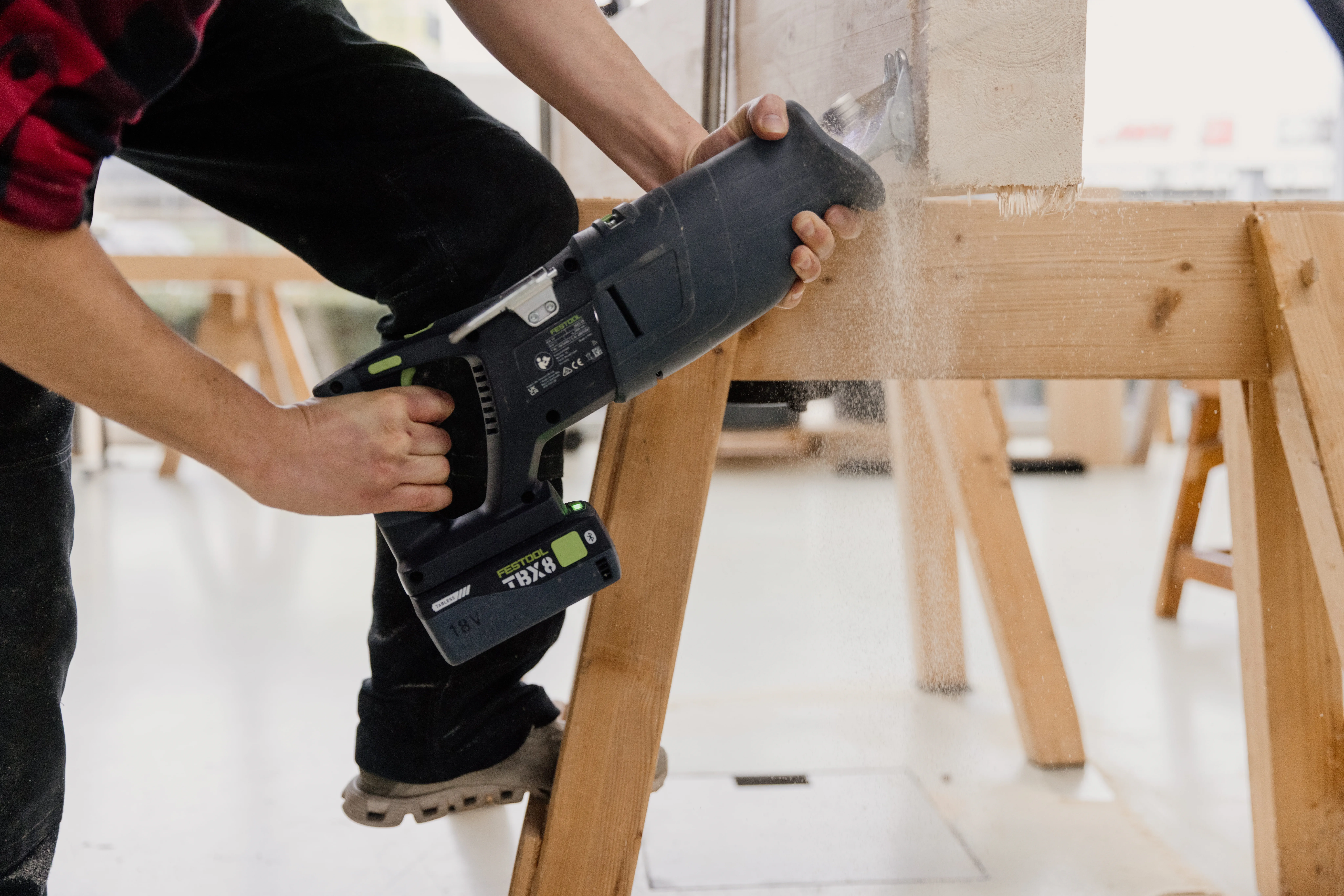
Philip: The benefits are most significant in high-demand applications, such as drilling large diameters, making deep cuts, or sanding under load. In lighter applications, the difference is smaller but still noticeable. Users will find longer runtime and less heat buildup. And because the battery stays cooler, it can recharge more quickly.

Do tabless batteries cost more than conventional batteries?

Philip: No, the tabless battery packs will cost the same as their predecessors. We’re passing the technological advantages of tabless technology on to our customers at no additional cost.

More power and longer runtime sound great, but what does that mean in real numbers?
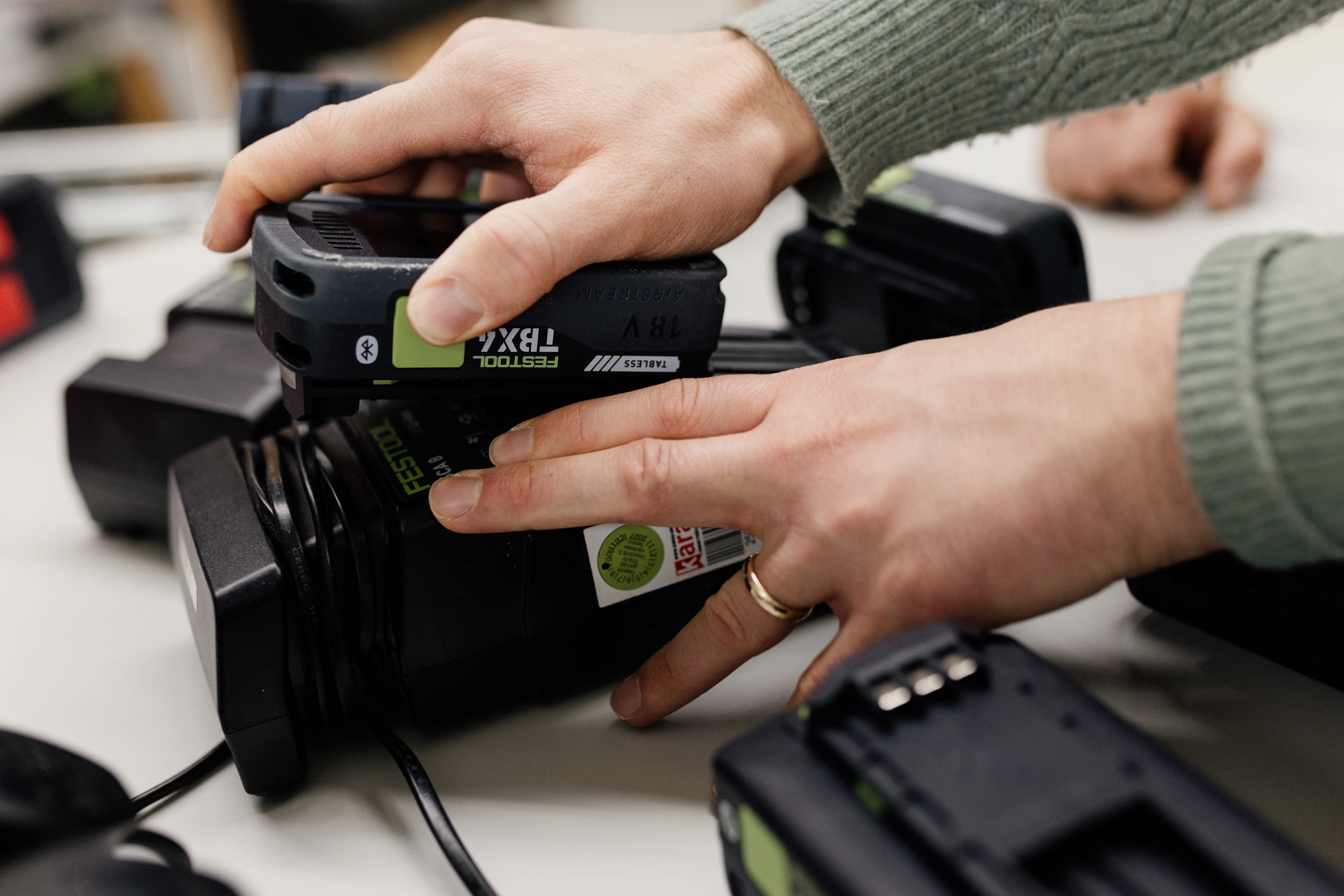
Philip: The differences are clearly measurable across several applications. For example, runtime during sanding is up to 38% longer, and charging time is 49% shorter. When driving 3/8” x 12” (10 × 300 mm) screws, users can complete up to 68% more connections on a single charge. And when cutting 3/4" (20 mm) OSB, users can achieve up to 31% more linear cutting distance.

“You can feel it immediately: there’s plenty of power, but never too much. The power delivery remains smooth and controlled, and you can maintain precision.”

—Alexander Henzler, master carpenter and owner of Holzbau Henzler

Alex, you tested the new TBX 4 and TBX 8 tabless batteries with the reciprocating saw, cordless circular saw, and cordless driver. What was your first impression? Which one is your favorite?
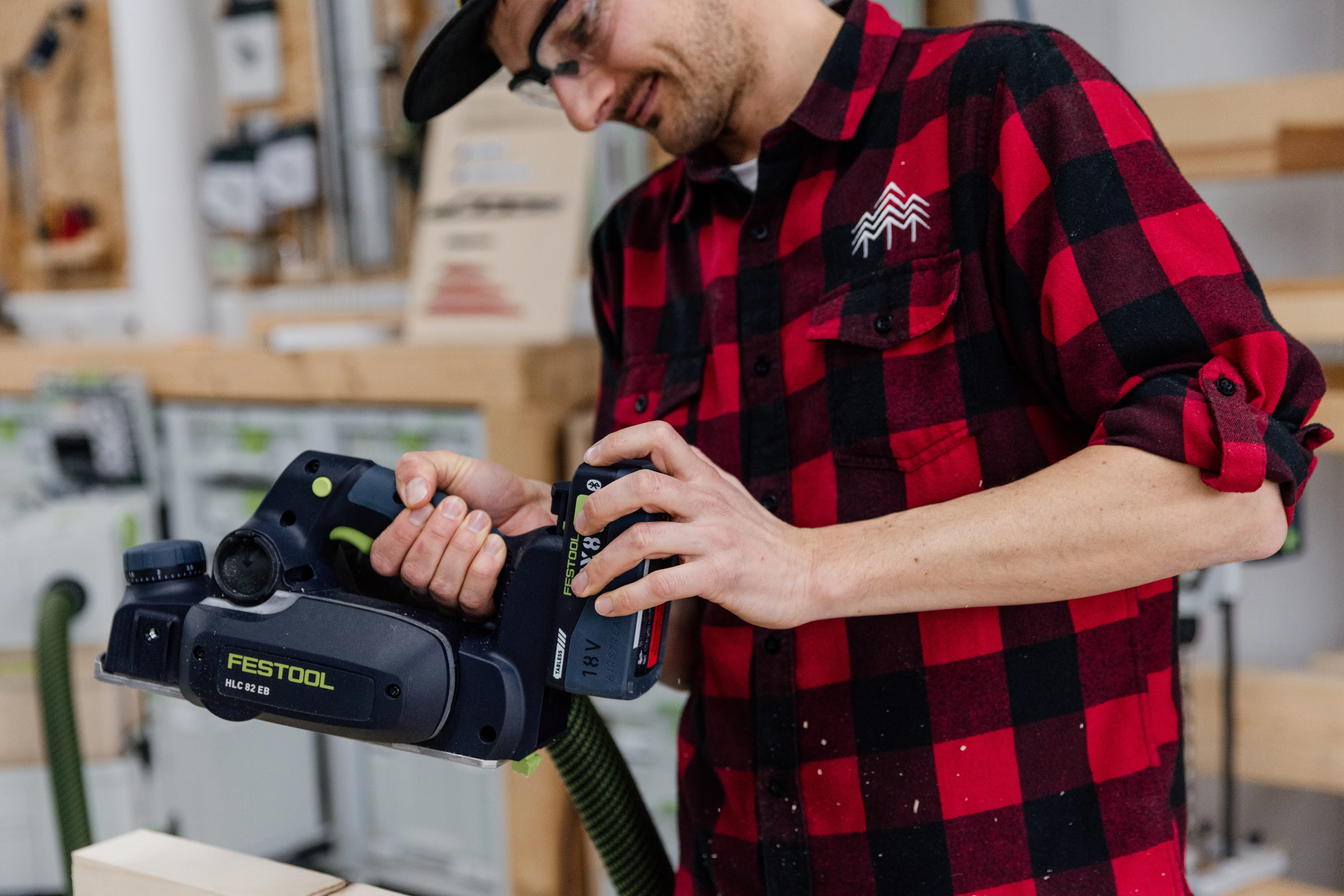
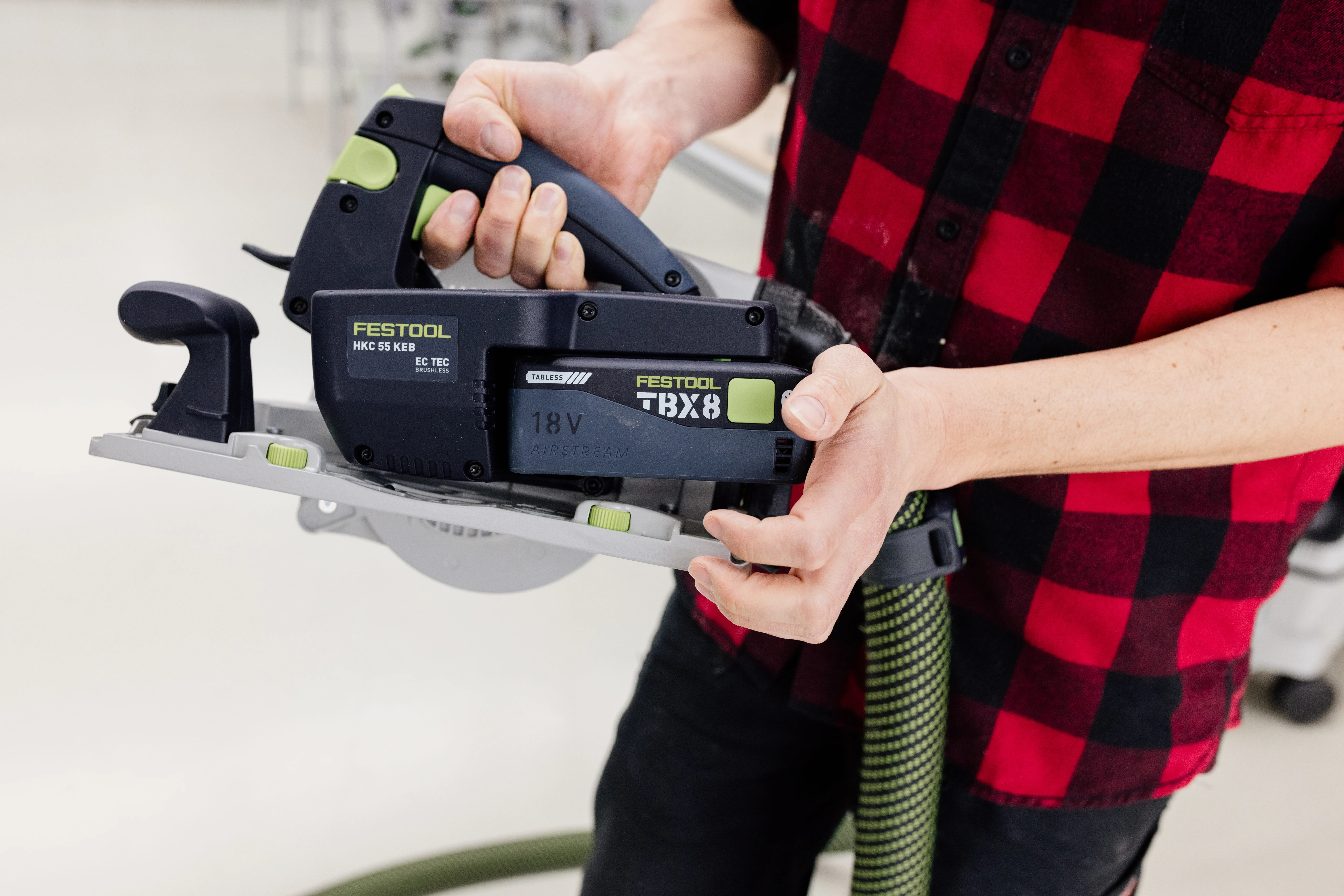
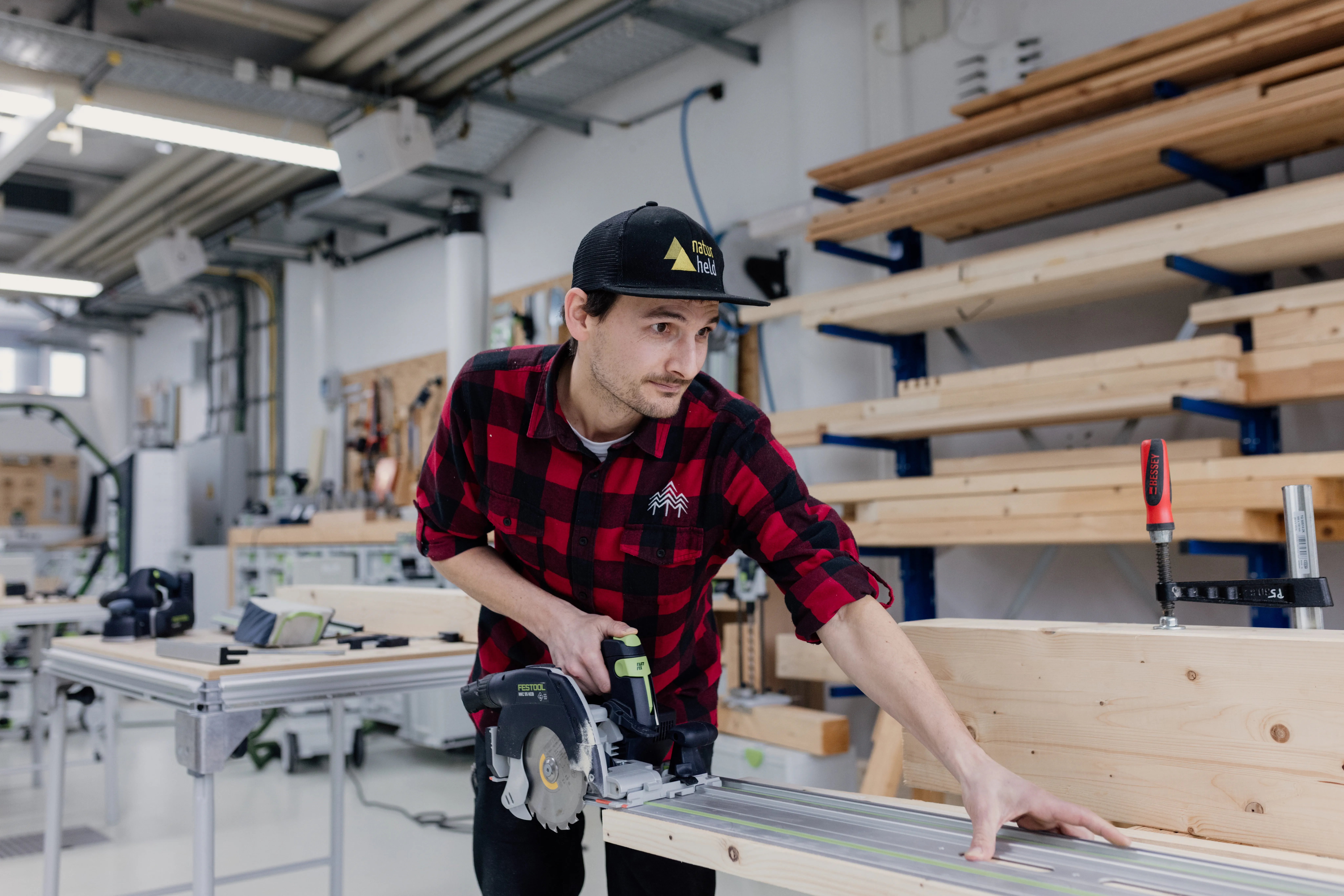
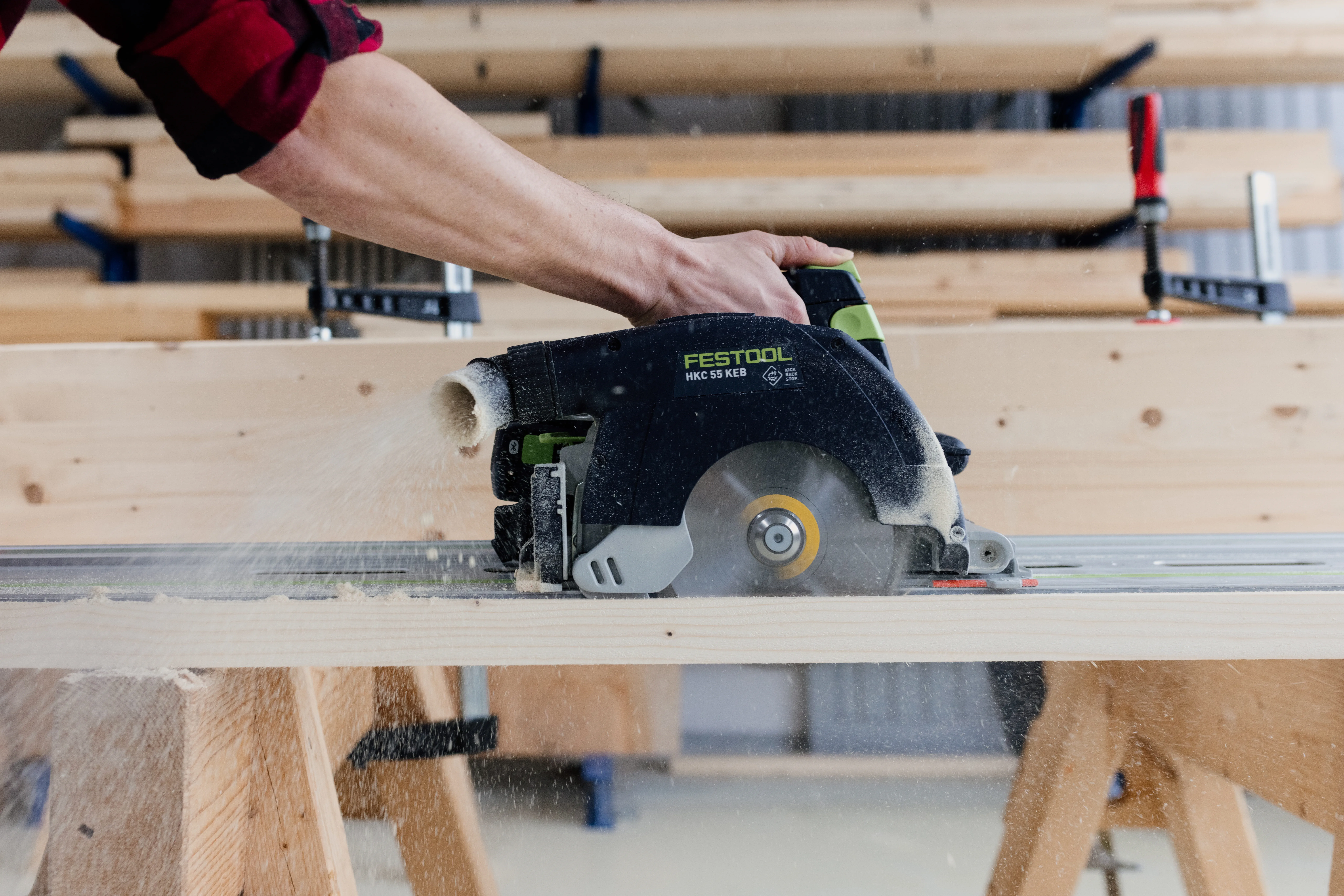
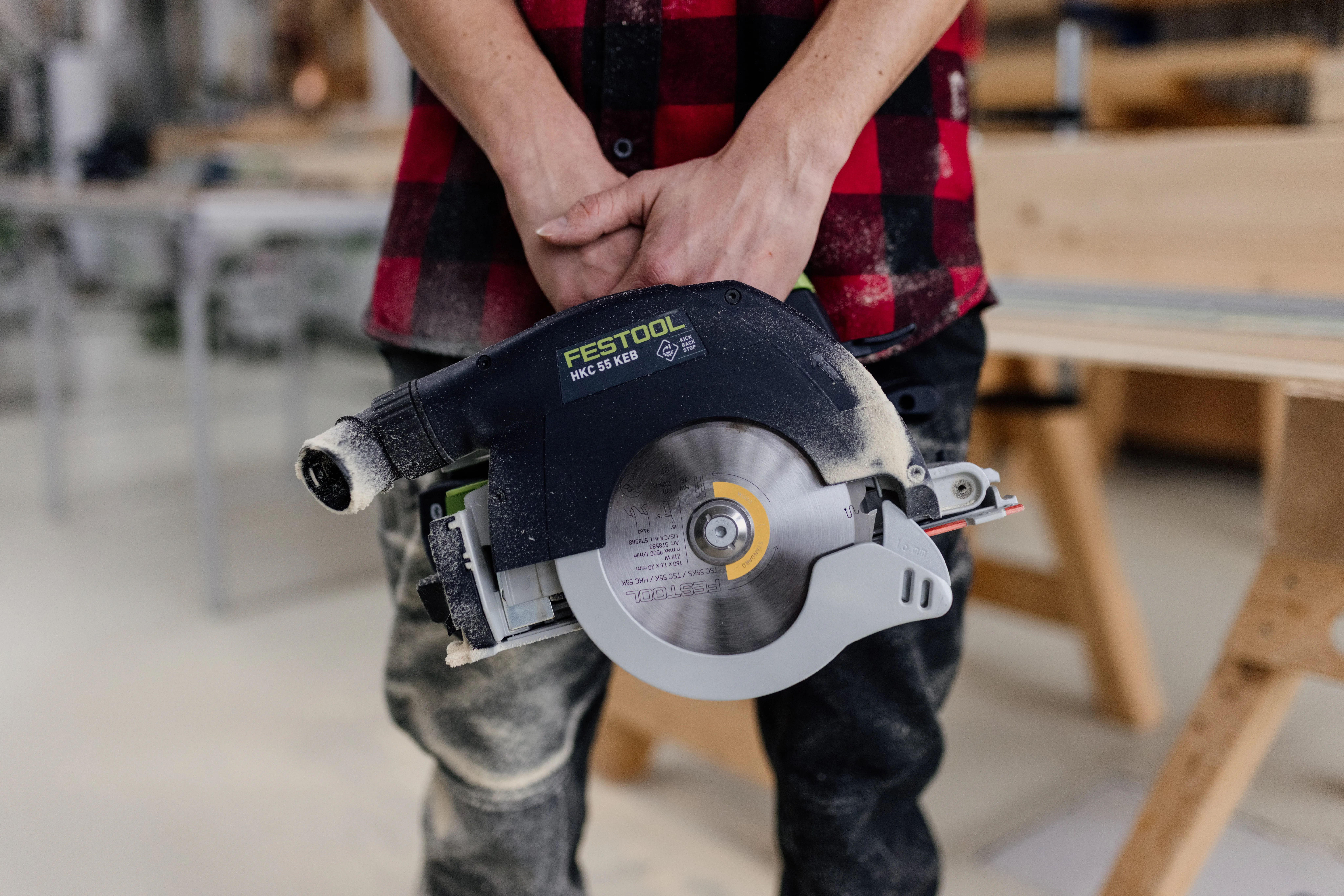
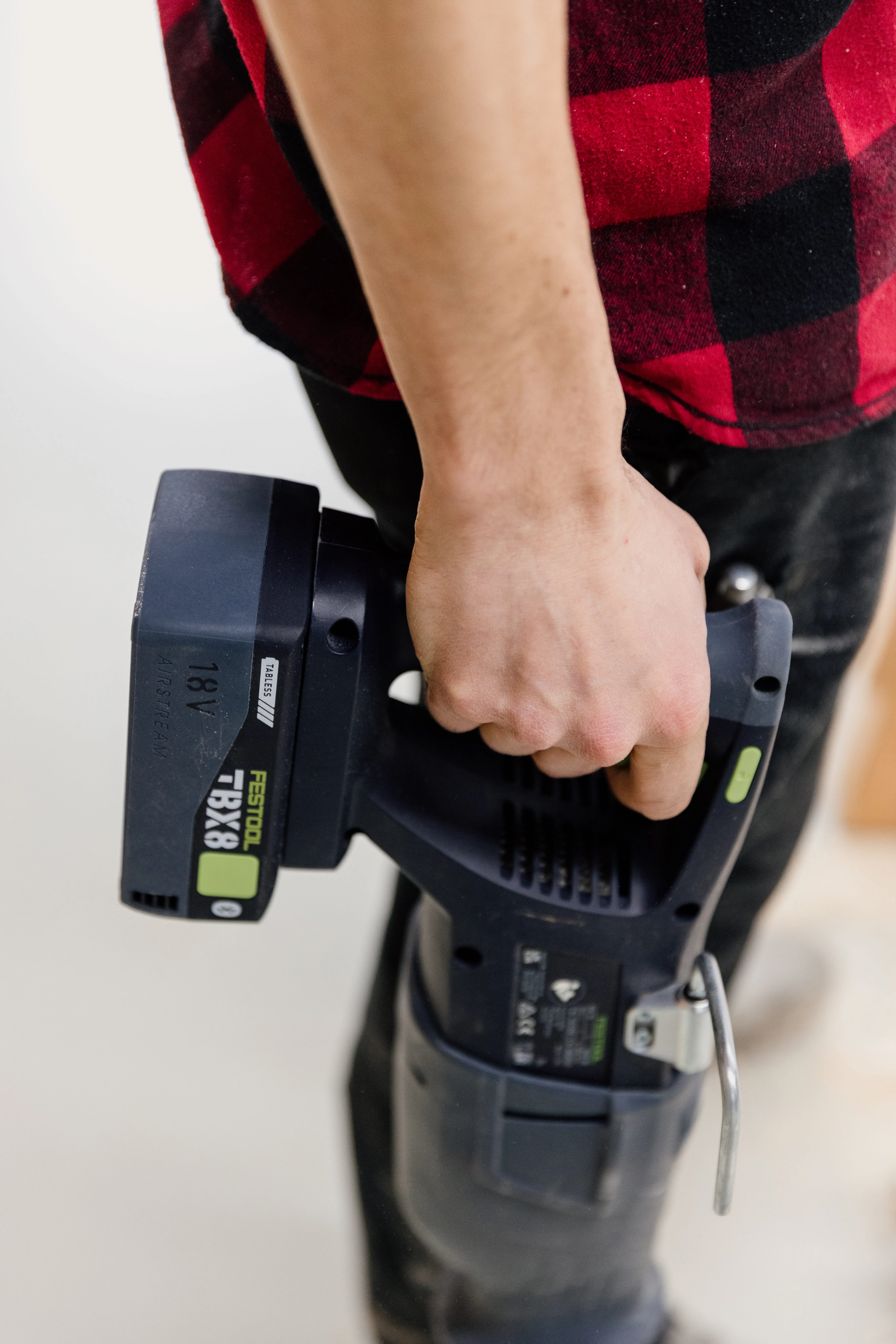
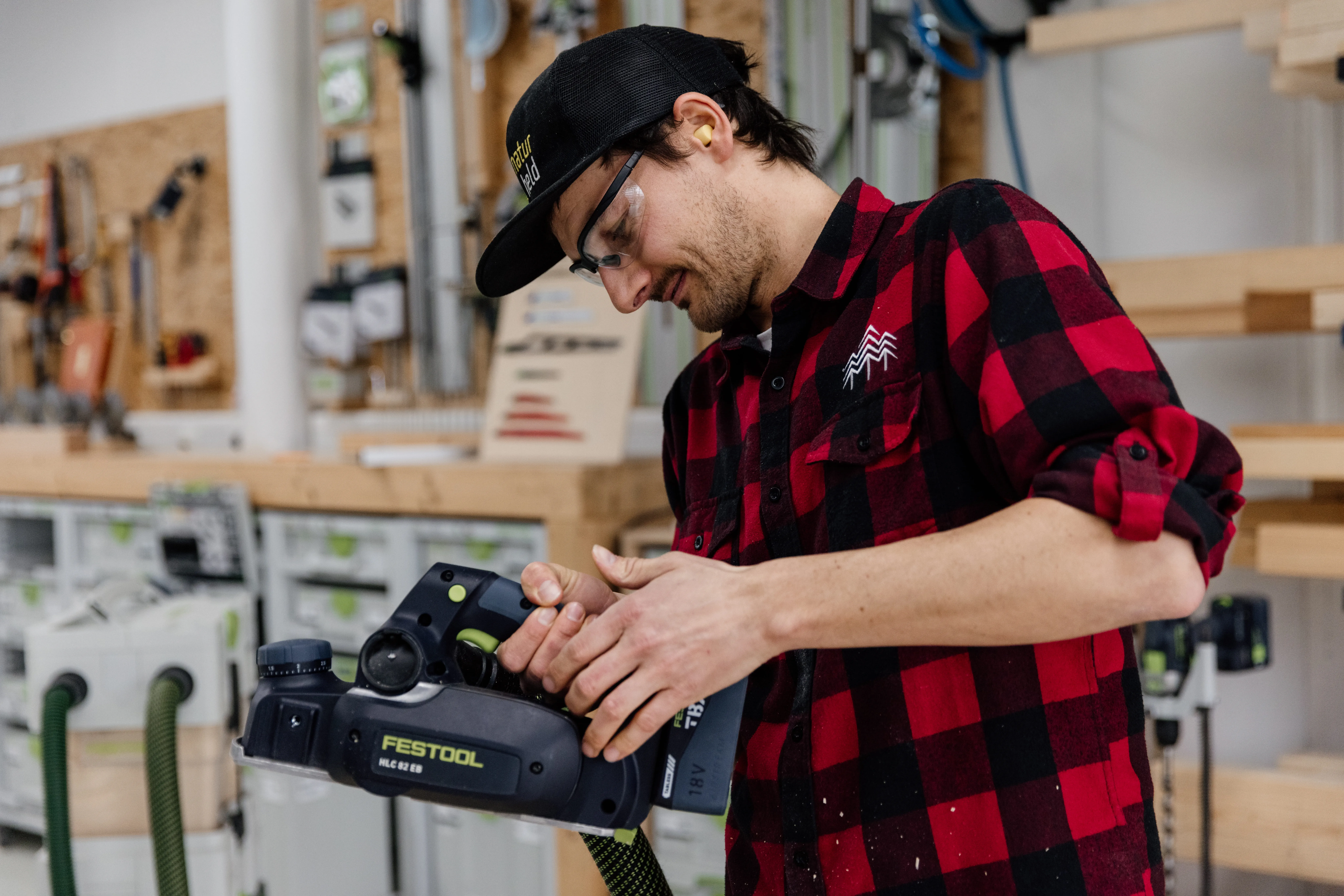
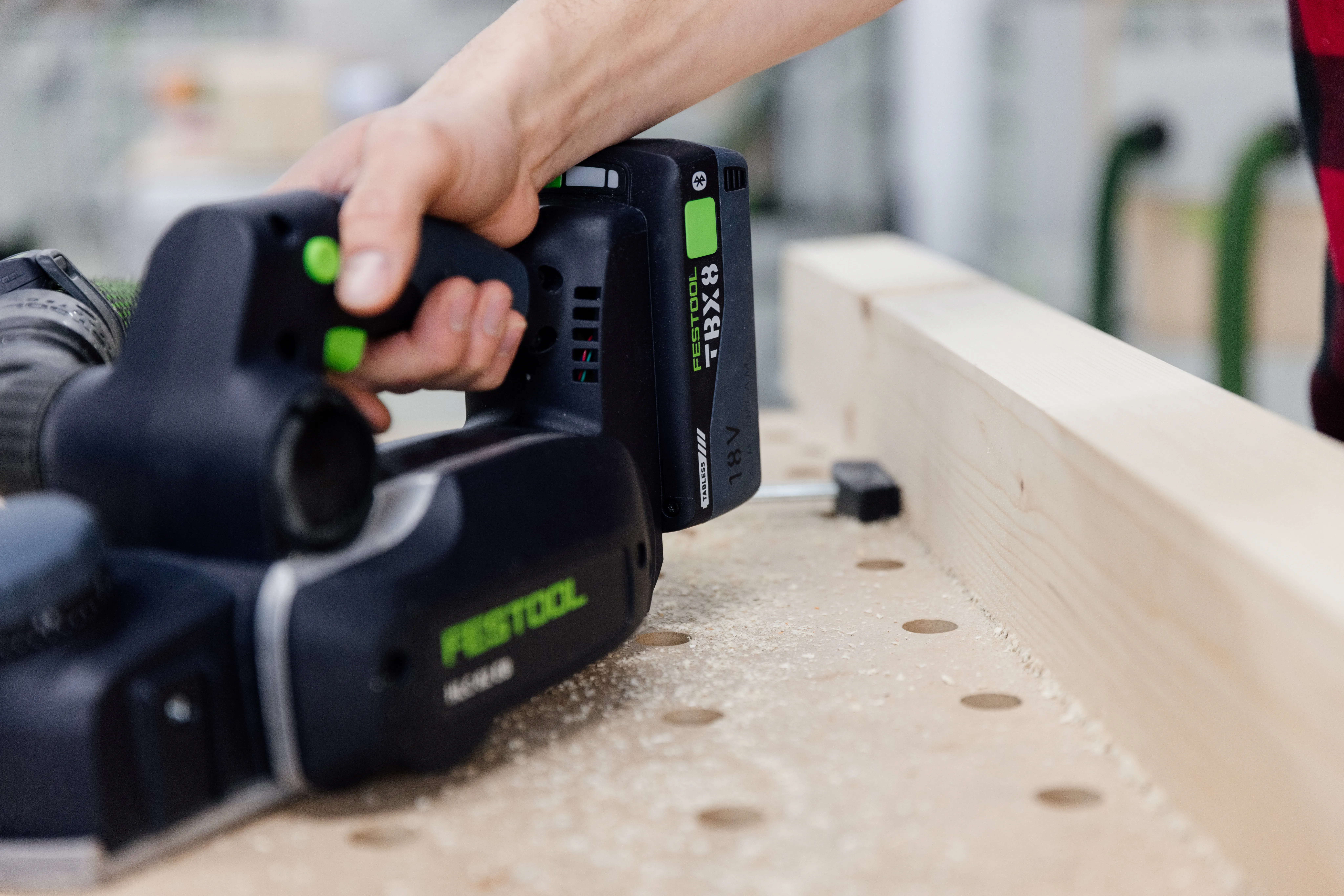
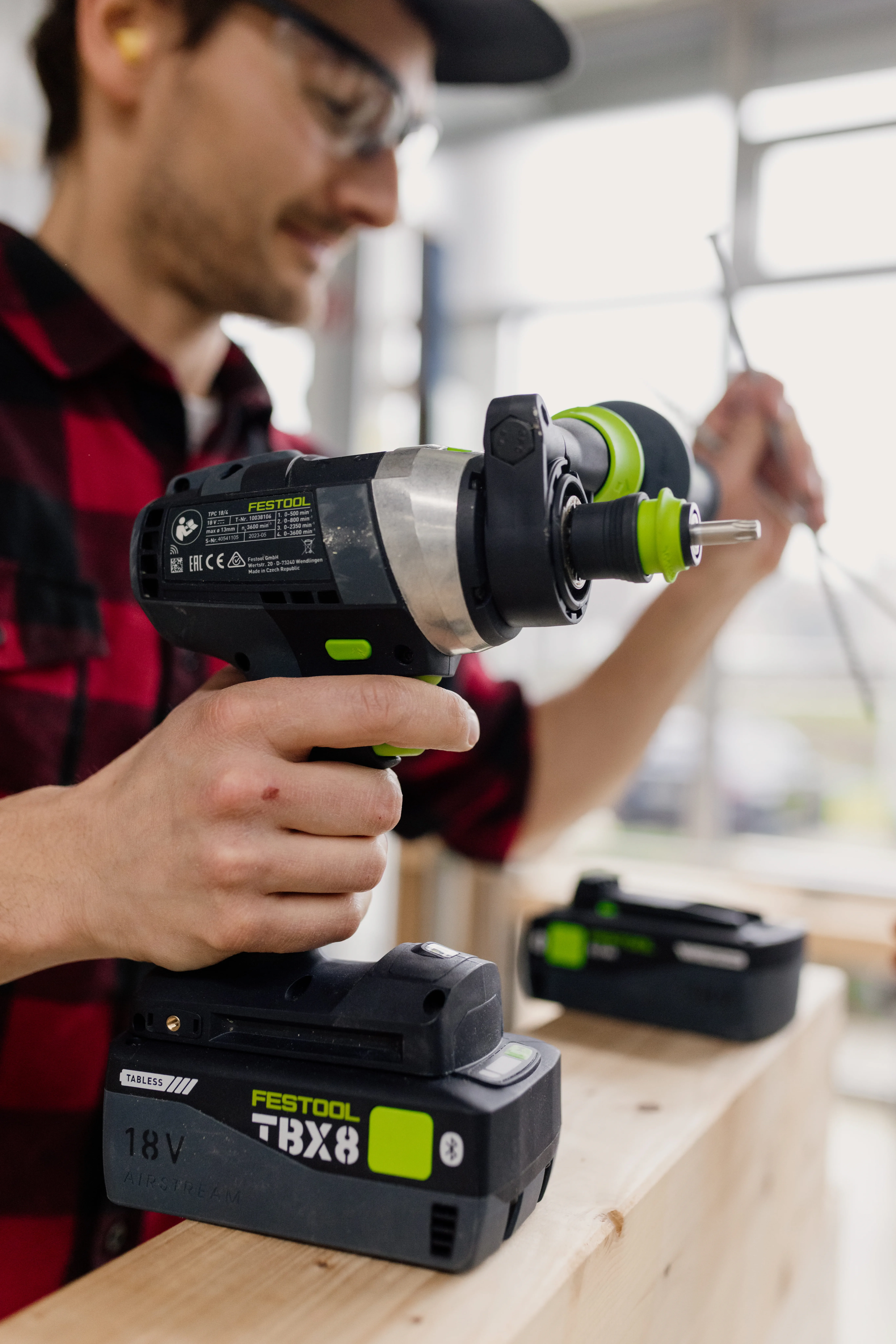
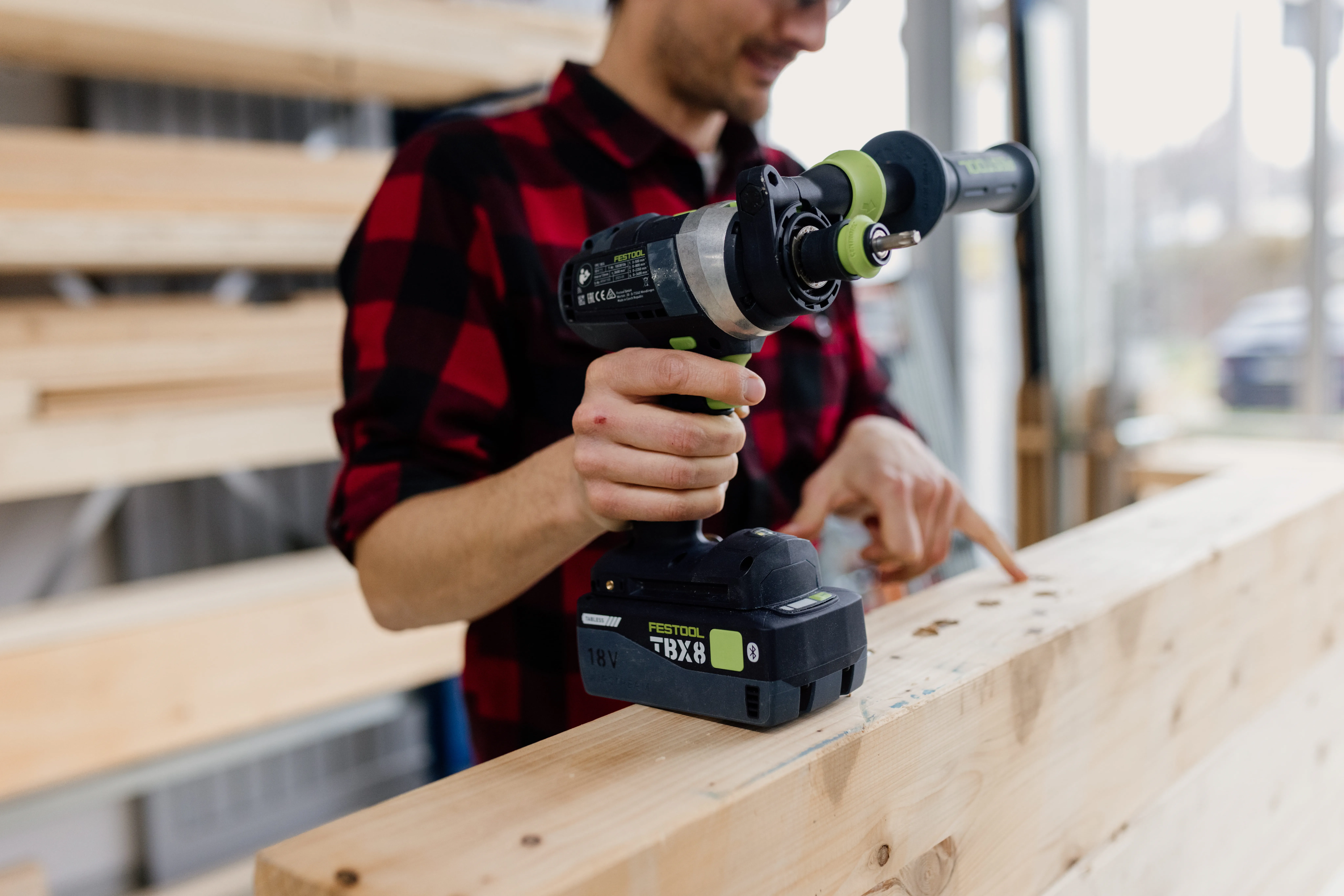
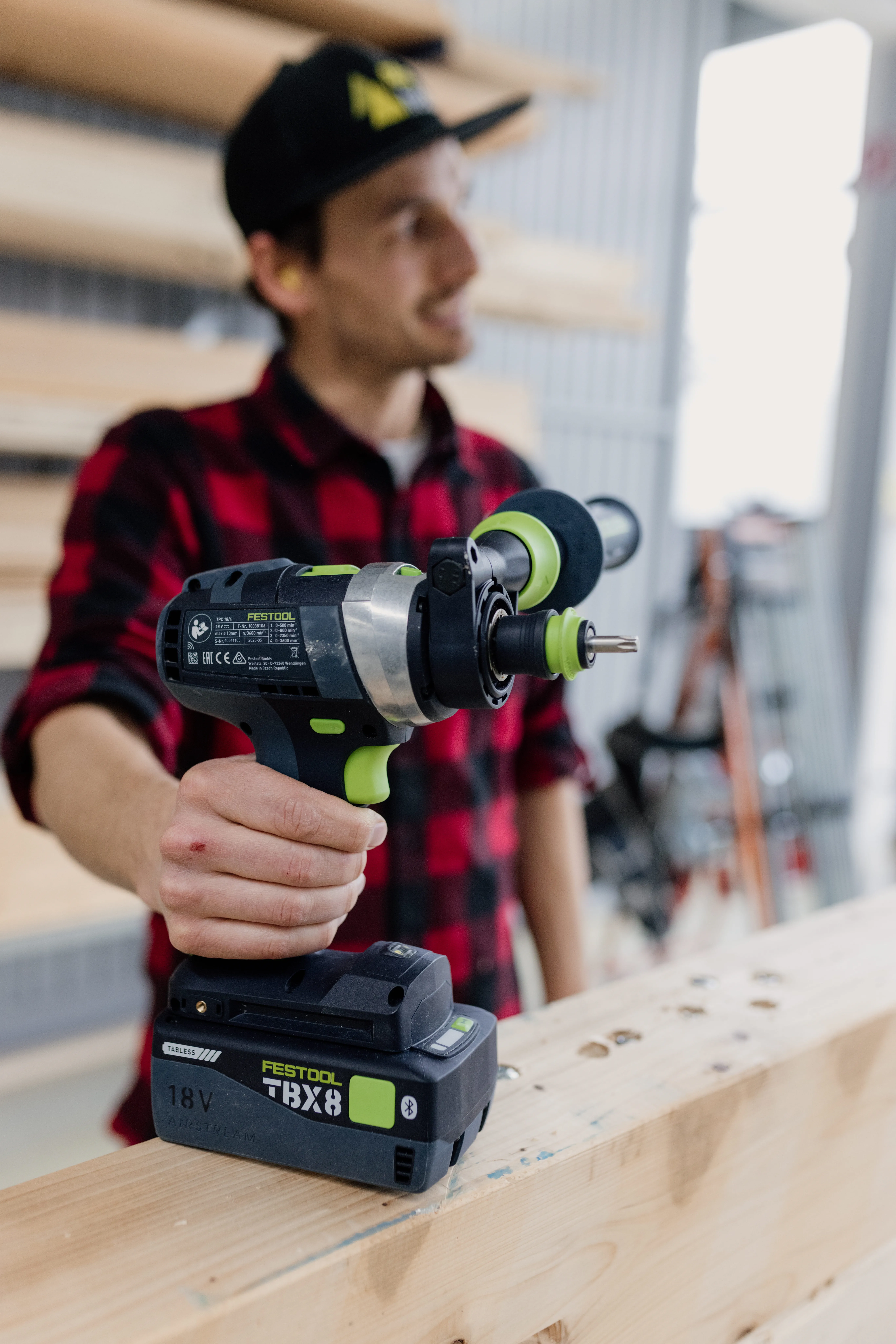
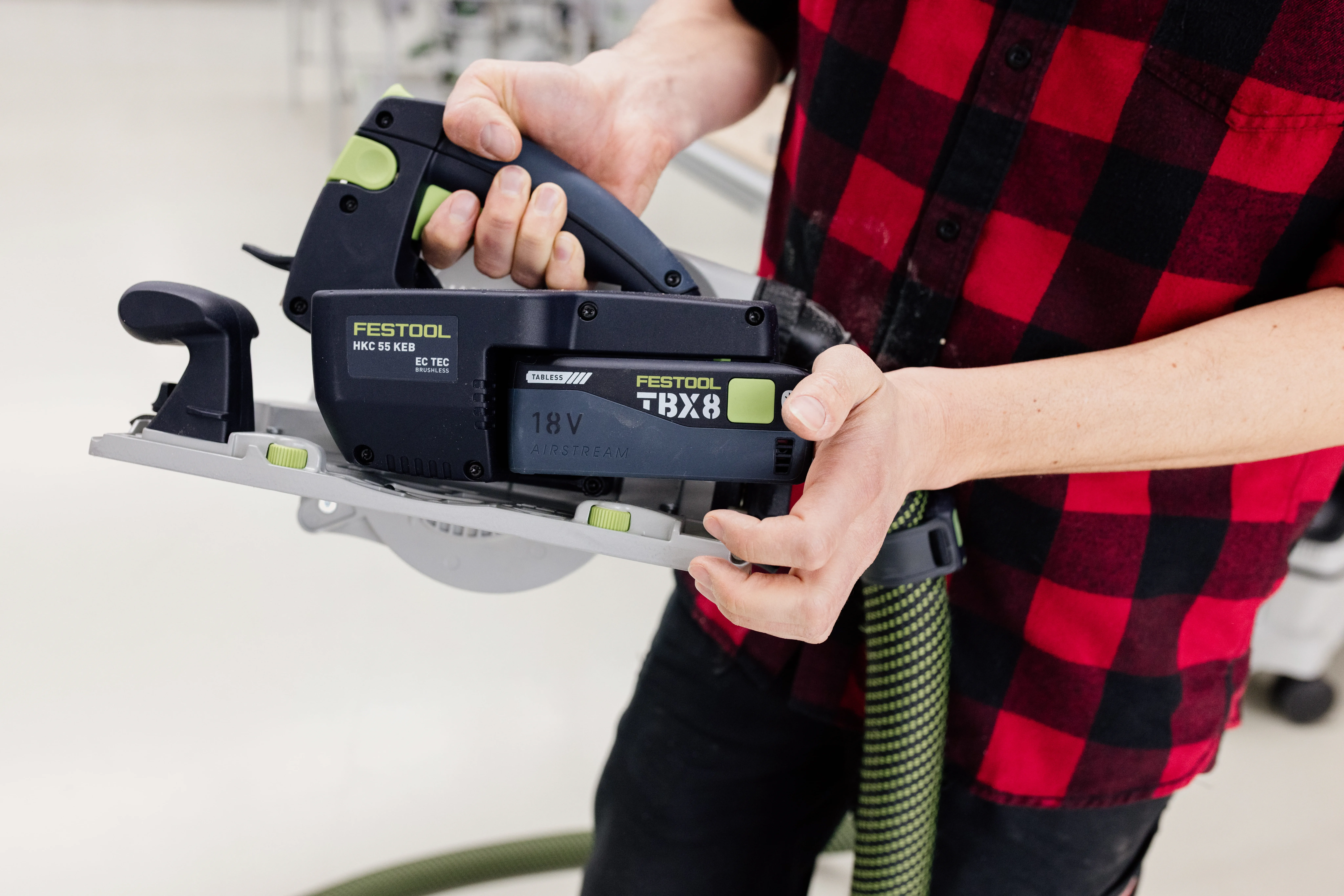
Alex: Yes. And I have to say, it was a lot of fun. The differences between the two batteries were actually more noticeable than I expected. That’s not only because of the power output, but also how well each one pairs with different tools. The reciprocating saw, cordless circular saw, and cordless planer all performed best with the larger TBX 8. But for driving screws, I preferred the smaller, more compact TBX 4, which makes sense. The larger battery delivers the extra power and capacity needed for more demanding applications. The smaller battery is more than sufficient for lighter tasks and offers better handling thanks to its lower weight and compact size.

For comparison, you performed the same test with the “old” batteries. How was that experience?

Alex: The difference was especially noticeable when driving large screws, planing, and sawing, especially with the larger reciprocating saw. The circular saw moved through the material much faster, even in thicker beams. You can really feel the reduced resistance while cutting, even with a standard blade. The same goes for driving screws. You can feel it immediately: there’s plenty of power, but never too much. The power delivery remains smooth and controlled, and you can maintain precision. The output improves to a noticeably higher level and then stays consistent. That’s a huge advantage for the kind of work we do.

Philip, Alex, thanks for taking the time to speak with us.
Find out more about Tabless Batteries.